EN
EN AR
AR FR
FR DE
DE HI
HI IT
IT JA
JA KO
KO PT
PT RU
RU ES
ES ID
ID LV
LV VI
VI HU
HU MS
MS GA
GA BE
BE YI
YI EU
EUHow to Machine Tungsten Copper Without Cracking
How to Machine Tungsten Copper Without Cracking
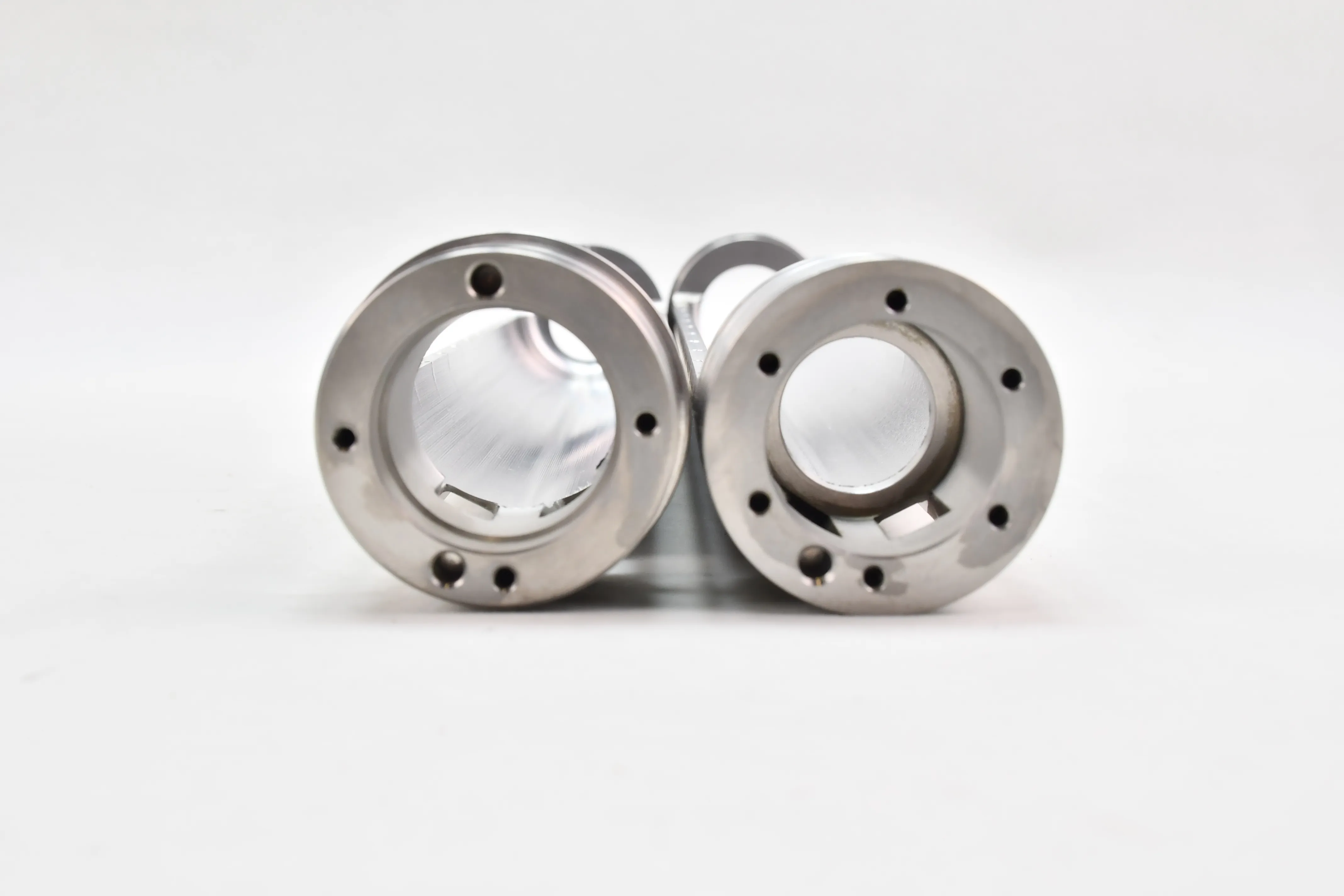
Tungsten copper has high hardness and density, making it a challenging material to machine. Improper machining techniques can lead to cracking, chipping, dimensional deviation, or damage to the workpiece. Follow these expert guidelines to ensure safe, effective, and precise machining of tungsten copper alloy.
1. Use Suitable Cutting Tools
Tungsten copper’s hardness requires specialized tools to avoid wear and damage:
• Recommended: Carbide or diamond-coated tools—these are harder and more wear-resistant than high-speed steel (HSS).
• Avoid: High-speed steel tools for rough machining, as they wear quickly and can cause excessive stress on the workpiece.
2. Control Cutting Speed & Feed Rate
High cutting speeds generate excessive heat, which can cause cracking. Optimize your parameters:
• Cutting speed: Use low to moderate speeds (depending on the tool and grade—typically 10–30 m/min for carbide tools).
• Feed rate: Reduce the feed rate to avoid putting excessive stress on the workpiece. A slow, steady feed helps prevent chipping and cracking.
3. Ensure Adequate Cooling & Lubrication
Localized overheating is a major cause of tungsten copper cracking. Proper cooling is essential:
• Use a high-quality coolant or lubricant during machining to dissipate heat and reduce friction.
• Ensure the coolant reaches the cutting area continuously—avoid interruptions that can lead to overheating.
4. Follow a Reasonable Processing Sequence
The order of machining steps affects the workpiece’s stability and reduces stress:
• Rough machining first: Remove excess material with larger cuts to shape the workpiece, then proceed to finish machining.
• Avoid excessive cutting depth in a single pass: Multiple shallow cuts are better than one deep cut, as they reduce stress and heat buildup.
5. Securely Fix the Workpiece
Vibration during machining can cause chipping and dimensional errors. Ensure proper fixation:
• Clamp the workpiece securely to the machine to reduce vibration.
• For thin or long parts, use additional supports to prevent bending or deformation during machining.
With the right tools, parameters, and techniques, tungsten copper can be precisely machined into high-quality components without cracking or damage. For complex custom parts, work with an experienced tungsten copper machining manufacturer to ensure optimal results.